Qualified Electrician Services for Secure and Efficient Electrical Systems
A professional electrical technician serves as an crucial role in preserving secure and properly functioning electrical systems. These professionals are trained to manage complex installations and identify potential hazards. Their expertise ensures compliance with regional regulations and requirements, which minimizes risks. Regular maintenance and timely repairs can substantially improve the longevity of electrical systems. However, many property owners miss the indicators suggesting the requirement for expert assistance. Understanding these signs is critical for preventing costly complications.
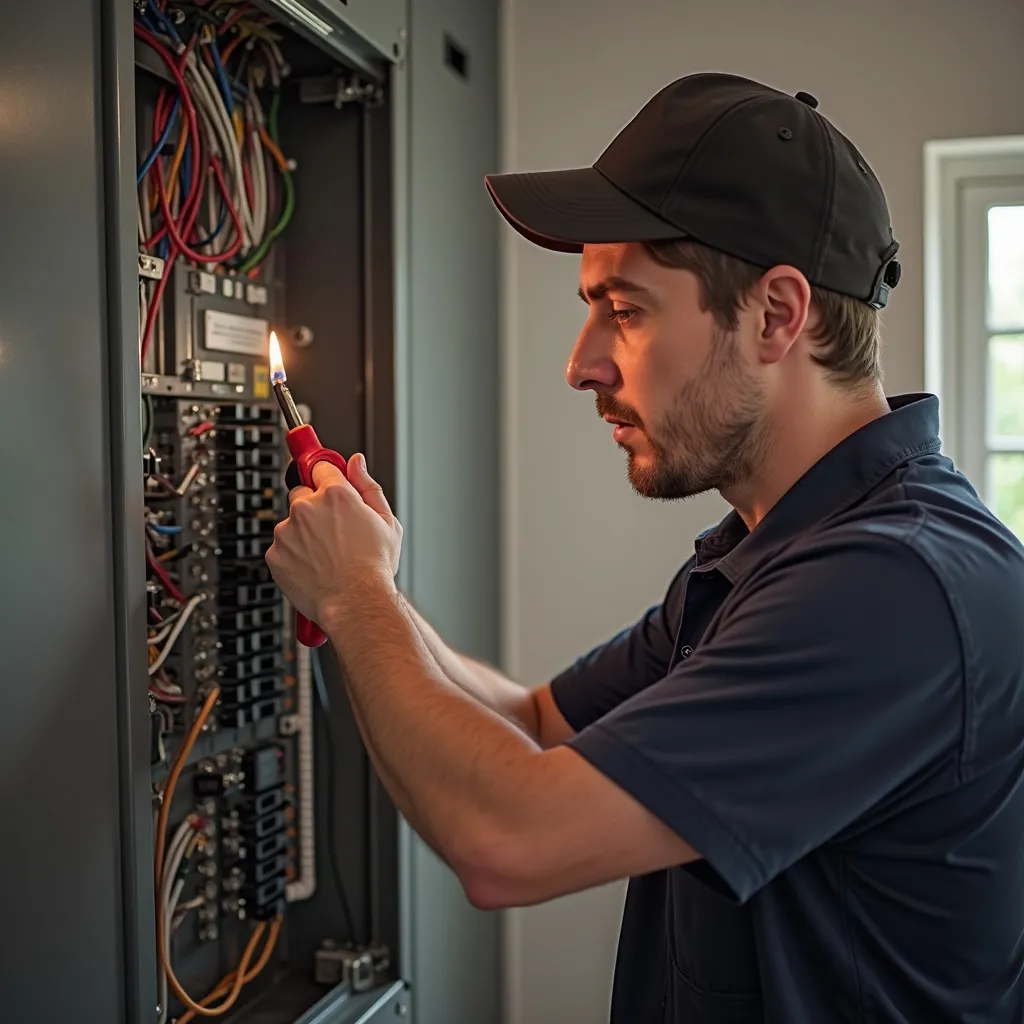
Why Engaging Skilled Electricians Is Vital for Safety
Maintaining safety in electrical work is crucial, and contracting skilled electricians assumes a vital role in this process. Experienced practitioners command the essential knowledge and experience to handle sophisticated electrical systems, reducing the potential for accidents. Unqualified personnel may disregard essential safety requirements, triggering dangerous conditions including fire incidents or electrical shocks.
Additionally, experienced electrical professionals are knowledgeable in regional building standards, guaranteeing that all work complies with legal standards. This adherence not only safeguards the homeowner but also enhances the overall safety of the community. When problems occur, seasoned electrical experts can quickly diagnose practical tips problems and execute practical fixes, reducing potential hazards.
Moreover, their knowledge covers employing the appropriate tools and equipment, additionally strengthening safety. In the end, engaging skilled electricians is vital for maintaining safe electrical systems and preventing expensive and risky problems down the road.
Key Offerings Delivered by Electricians
aging electrical systems
Maintaining Requirements: How Electricians Guarantee Your Work Protected
Electricians have an fundamental position in ensuring protection and conformance within electrical networks. Their proficiency guarantees that systems conform to local and national building codes, mitigating hazards associated with defective wiring and devices. By conducting comprehensive assessments, electricians detect foreseeable threats, like strained circuits or obsolete wiring, that could jeopardize protection.
Furthermore, electricians remain informed about changes in regulations and technological advancements, enabling them to execute superior methods efficiently. They use suitable supplies and procedures that are compliant with safety standards, ensuring that all installations are both efficient and secure. Additionally, electricians provide necessary documentation and reports that demonstrate compliance, providing reassurance to property owners and businesses.
By employing their rigorous methods, electricians make important contributions in building protected areas, ultimately protecting both people and property from electrical hazards. Their focus on standards is fundamental in ensuring reliability and safety within electrical systems.
The Importance of Regular Service Performed by an Electrician
Systematic upkeep by a qualified electrician is essential for ensuring the longevity and productivity of electrical systems. Regular assessments and servicing can spot potential issues before they escalate costly repairs or hazardous situations. Electricians inspect the reliability of wiring, connections, and components, guaranteeing they meet safety standards and operate effectively.
Additionally, periodic maintenance can strengthen energy efficiency, decreasing utility costs over time. By resolving small problems proactively, electricians help copyright system integrity, avoiding unexpected outages that can disrupt daily life. They also stay informed about the latest technological advances and safety standards, imparting insightful information that contribute to a safer environment.
In addition, consistent maintenance can extend the operational life of appliances and fixtures, ultimately helping homeowners avoid significant replacement costs. Therefore, engaging a professional electrician for regular maintenance is a wise investment in safety, efficiency, and overall peace of mind regarding electrical systems.
What Represent the Symptoms That You Must Reach Out to a Licensed Electrician?
Recognizing when to call in a certified electrical professional is essential for sustaining safe electrical practices. Regular circuit breaker trips and lights that dim or flicker are common signs that something may be wrong with the electrical system. Tackling these signs in a timely manner can stop further issues and provide a protected living space.
Persistent Automatic Breaker Disconnections
Recurring circuit breaker trips can reveal electrical issues beneath the surface that demand immediate attention. Such instances often indicate overloaded circuits, where numerous devices consume power concurrently, risking overheating and potential fire hazards. Additionally, ongoing tripping may indicate faulty wiring, damaged appliances, or even a malfunctioning breaker itself. Homeowners should also consider the age of their electrical system, as outdated components can lead to instability. Ignoring these signs can develop into more severe problems, including electrical fires or complete power outages. Consequently, when circuit breakers trip repeatedly, it is essential to consult a professional electrician. Their expertise can diagnose the root cause and guarantee the safety and efficiency of the home's electrical systems.
Flickering or Dimming Lights
Flickering or dimming lights can represent a troublesome experience for homeowners, often hinting at underlying electrical issues that demand professional attention. Such symptoms may suggest loose wiring, which can lead to arcing and potential fire hazards. Additionally, circuit overload or failing light bulbs may cause inconsistent lighting. If multiple fixtures are affected, it could indicate a more serious problem, such as inadequate electrical supply or issues with the main panel. Homeowners should also be aware of buzzing sounds accompanying the flickering, which can further suggest electrical faults. Ignoring these signs can lead to increased risks and costly repairs. Consequently, it is advisable to consult a qualified electrician to accurately diagnose and resolve the issue, ensuring safety and system efficiency.
How to Select the Correct Electrician for Your Requirements
Choosing the right electrician requires thorough evaluation of multiple important criteria. It is essential to check qualifications and certifications, evaluate their background and skills, and request detailed estimates for work. These measures can help ensure that the selected expert fulfills particular requirements and maintains high standards.
Confirm Qualifications And Authorizations
When hiring an electrician, verifying credentials and licenses is critical to ensuring quality and safety. A licensed electrician carries out the needed training and fulfills local regulatory standards, which is necessary for compliance and reliability. It is wise to check the electrician’s license number and verify its validity with the appropriate state or local authority. Also, certifications from reputable organizations demonstrate specialized training in multiple electrical systems and safety protocols. Clients should also inquire about liability insurance, which protects both the electrician and the homeowner in case of accidents or damages. Verifying that the electrician has proper credentials not only establishes trust but also lowers risks linked to electrical work, resulting in a safer environment.
Assess Background and Competence
Upon verifying qualifications and certifications, assessing an electrician's experience and expertise becomes an crucial element in the selection process. The amount of time in the field can show a professional's familiarity with different electrical setups and obstacles. Moreover, advanced education in sectors like domestic, commercial, or industrial electrical work can better showcase an electrician's proficiency. Prospective clients should inquire about previous projects similar to their requirements, as this can offer understanding of the electrician's troubleshooting skills and flexibility. References and reviews from previous customers can also shed light on service excellence and dependability. In the end, a comprehensive assessment of skills and knowledge helps guarantee that the selected electrician can deliver secure and effective electrical services.
Ask for In-Depth Proposals
Obtaining detailed estimates is important for promoting transparency and recognizing the complete extent of services required in electrical work. A properly formatted estimate shows a cost breakdown, including supplies, labor expenses, and possible extra costs, which permits clients to reach sound choices. When choosing electrical contractors, folks should collect multiple quotes to evaluate fair market pricing and services offered. Clear dialogue about job requirements is paramount, as it empowers electricians to provide accurate evaluations. Customers should also ask about project timelines and warranty terms, as these matters shape the true value of the service. Ultimately, detailed quotes help with budgeting and also foster confidence among clients and electrical professionals, creating a productive partnership for the entire project duration.
Frequently Asked Questions
What Qualifications Should I Look for in an Electrician?
When hiring an electrician, you should pursue proper credentials, relevant qualifications, considerable expertise, and positive testimonials. Furthermore, examining their grasp of current regulations and protective measures is important for delivering quality service.
How Much Do Professional Electrical Services Usually Cost?
Certified electricians generally bill $50 to $100 per hour, influenced by the complexity of the job and the electrician's experience. Flat fees for designated services may also be applicable, changing by region and project scope.
Are Electrical Technicians Covered by Insurance and Qualified?
Yes, electricians are generally required to be both certified and insured. This guarantees they have met required educational requirements and can safeguard both themselves and their customers from possible liabilities during electrical services.
Do Electrical contractors have the capability to Handle Both Residential and Commercial Projects?
Electricians are able to handling both residential and commercial projects, as their education equips them with the necessary abilities and expertise. This flexibility enables them to adjust to different electrical requirements across various properties.
What May I Complete During an Electric Urgent Situation?
When facing an electrical emergency, it is necessary to immediately turn off the electricity at the main breaker, avoid touching live conductors, and call a licensed electrical specialist. Emphasizing safety is essential to stop further hazards or injuries.